Guides
Water restoration trends that still matter to operators
Water restoration trends that still matter to operators: documentation, leak detection, labor scarcity, program dependence, surge planning and state rules.
What to take away
- No page can tell you the size of these water restoration trends in your area. Treat each one as a question to test locally, not as a forecast.
- The documentation burden on mitigation work keeps rising. Companies that record readings properly are being separated from companies that do not.
- Leak detection and automatic shutoff devices reduce some small losses and raise expectations on the ones that still happen.
- Labor scarcity, not equipment, is the constraint most likely to cap a restoration company this decade.
- Watch what your own referral sources are seeing. They are a better leading indicator than any national commentary.
Nothing here states a statistic, a growth rate or a forecast. Where a figure would matter, the source to check is named, and local conditions govern.
How to read a trend claim
Restoration trade commentary is full of confident statements about rising demand. Most of them are unverifiable and none of them describe your county.
Use a simple test: does the claim name a mechanism, and can you observe that mechanism locally?
A claim that losses are rising because plumbing supply lines from a certain housing era are reaching end of life names a mechanism. You can check it by looking at your last fifty jobs. A claim that the market is growing does not.
Below are shifts with mechanisms attached, and the honest boundaries of what can be said about each.
Documentation is becoming the product
Payers increasingly review mitigation invoices against the file rather than against a description. Readings at fixed points, equipment placement recorded daily, photographs, and a completion record are what hold a scope. The standard those reviewers work from is the ANSI/IICRC S500 Standard and Reference Guide for Professional Water Damage Restoration, published by the IICRC, the body that certifies water restoration technicians.
The practical consequence is that the gap between a well-documented company and a poorly documented one shows up in collected revenue rather than in reviews. If your scope reductions at review are rising, this is the trend arriving.
What you can do about it is unglamorous and immediate: mark reading points, read them daily, record adjustments, and invoice with the file attached.
Detection and shutoff devices
Automatic leak detection and shutoff devices, such as Flo by Moen and the other inline valves now sold at retail, catch some losses early or prevent them. Carriers increasingly encourage them, and several offer a premium discount for a monitored device. The mechanism is real and the local effect is not something a page can quantify.
Two consequences worth planning for. Small clean-water losses may arrive earlier and smaller, which favors companies that can respond fast and price a short job sensibly. And customers whose devices did fire arrive with a higher expectation of a quick, clean resolution.
If you want a figure for your area, the honest route is your own job records over three years, not a trade article.
Labor is the binding constraint
Restoration competes for the same people as plumbing, HVAC, facilities and general construction, and it asks them to carry a night rotation as well.
That makes hiring and retention the limit on growth for most companies, ahead of equipment or demand. The area occupation and wage estimates in the U.S. Bureau of Labor Statistics: Occupational Employment and Wage Statistics Tables are one way to see what the competing occupations pay where you are, and the local recruitment advertisements are another.
The response is not only pay. Predictable rotation, paid standby, real recovery after nights and a funded certification path retain people that a marginal wage increase does not.
Program and platform work
Third-party administrators and carrier programs continue to route work, with fee structures, pricing frameworks and cycle-time requirements attached. In property claims the pricing framework most crews meet is Xactimate, the estimating platform from Verisk, and program work is generally priced against it.
The mechanism to watch is dependence. Program volume can be redirected without notice, so a company whose schedule is mostly program work has a customer base of one. Build local referral relationships in parallel regardless of how comfortable the program volume feels.
Weather variability and surge
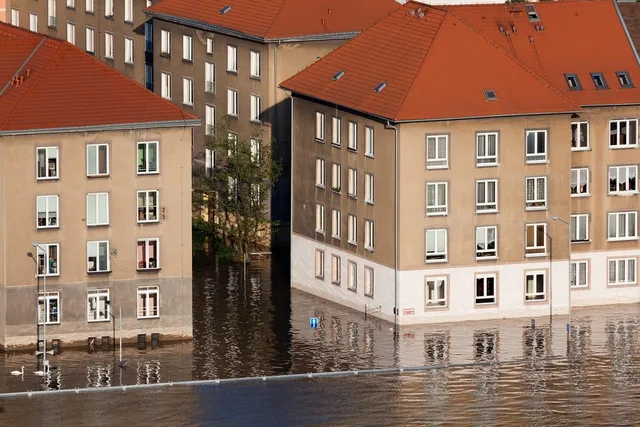
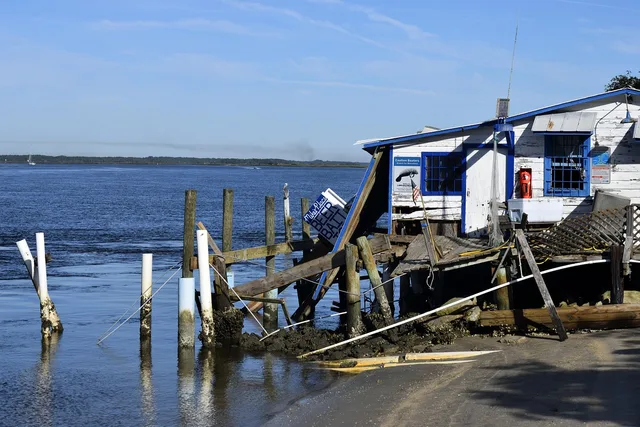
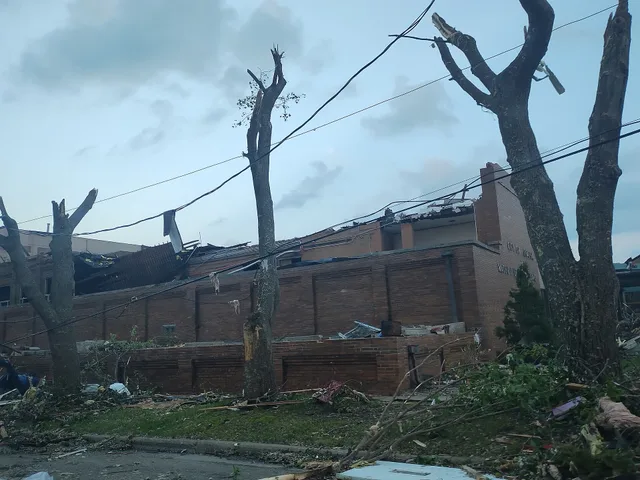
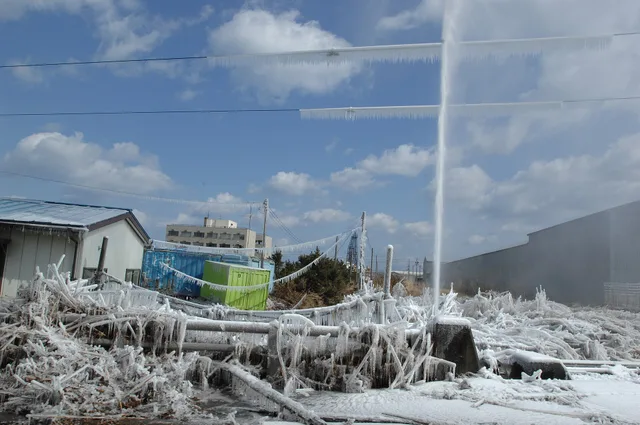
Storm, freeze and flood events arrive in bursts that exceed the capacity of any local operator. What is worth planning is not a forecast but a surge response: which equipment you can rent quickly, which crews you can call, and what you will refuse.
The conditions storm work actually involves are described in the U.S. Environmental Protection Agency: Flood Cleanup to Protect Indoor Air and Your Health guidance, and they are not the same as residential supply-line drying. Deciding in advance what your crew is equipped for is more useful than any projection of how often it will be needed.
Regulatory attention
Mold assessment and remediation rules continue to differ sharply between states and are periodically revisited. Florida licenses mold assessors and mold remediators under Chapter 468, Part XVI, Florida Statutes, and Texas licenses them through the Texas Department of Licensing and Regulation under Occupations Code Chapter 1958, while many states license neither. Consumer protection attention to advertising claims, review practices and deductible handling is persistent: the Federal Trade Commission polices reviews and testimonials under its Endorsement Guides and its deception authority in the FTC Act, and state insurance departments treat advertising a waived deductible as an unlawful inducement.
Neither can be forecast from a page. Both can be monitored by checking your state's own sources annually, which belongs in the licensing and compliance review cycle.
Turning any of this into a decision
For each shift above, ask three questions. Can I see it in my own job records? Do my referral sources report it? Would acting on it change what I buy, hire or sell in the next six months?
If the answer to all three is no, it is commentary rather than a trend that concerns you. If yes, it points somewhere specific: the equipment you own and how you size it, the crew you recruit and train, or whether the local restoration business environment still supports your plan.
For the general commercial groundwork underneath any of those decisions, the U.S. Small Business Administration: SBA Business Guide covers the planning and growth activities that apply to any contractor.
The comparison that matters
Trends only matter if they change what you buy, hire or sell. This is the comparison to run before an equipment purchase that a trend claim has pushed you toward.
Why it matters for a water damage restoration business
- Fit to the loss
- A tool built for another trade fights the loss every day
- Service and parts for extraction and drying equipment
- Downtime through storm and freeze events costs more than the purchase
- Cost over the whole life
- Financing terms change the real cost
- Fit with how the crew works
- Adoption decides the value
Common mistake
- Fit to the loss
- Trusting a demo over a trial on a real loss
- Service and parts for extraction and drying equipment
- Assuming the seller services what they sell
- Cost over the whole life
- Forgetting training time
- Fit with how the crew works
- Buying for the owner, not the crew
Common questions
These are the questions operators raise most about the shifts above, answered as directly as the evidence allows.
Is demand for water restoration growing?
Somewhere, probably, and that is not a useful answer for your business. Your own call volume by source and by loss type over three years tells you what is happening where you work.
Should we invest ahead of a trend?
Only where the investment pays at today's volume too. Equipment bought for a predicted future sits idle in the present, and idle equipment is the most common way a growing restoration company runs short of cash.
How do we monitor without reading trade commentary all day?
Ask your referral sources what they are seeing, once a quarter, and read your own job records. Both are more specific and neither is selling you anything.
What single change should we expect to affect us most?
Whichever one of these you cannot currently absorb. For most small operators that is labor, because every other constraint has a rental solution and that one does not.