Guides
17 water restoration service packages to offer in 2027
Seventeen water restoration services to offer, each with the finding that qualifies a job for it and the checks to run before adding it to your own menu.
What to take away
- These are seventeen offers with a defined start, a defined end and a defined trigger. Nothing here is ranked and nothing carries a price.
- Each entry names what qualifies a job for it. That qualifier is the useful part: it stops an estimator selling the wrong package on the phone.
- Add a package only when the crew can already deliver it and the paperwork for it already exists.
- Several of these are add-ons rather than standalone work. Selling them alone produces jobs that cannot be finished.
- Anything involving contamination, growth or older building materials belongs on the refer-out list until you are equipped and trained for it.
Qualification depends on findings made on site by a competent technician. Use these as a menu structure, not as a diagnostic.
Seventeen offers, with what triggers each
- After-hours emergency response. Triggeran active or recently stopped loss reported outside business hours. Ends when standing water is removed and a drying plan is written.
- Standing water extraction. Triggervisible water on a floor surface. Ends at extraction complete, with initial readings recorded.
- Clean-water structural drying. Triggera supply-line or similar clean source, caught early. Ends at the documented dry standard.
- Category 2 loss mitigation. Triggerwater from an appliance or a source carrying contamination short of sewage. Adds cleaning and often removal of porous materials.
- Category 3 mitigation under containment. Triggersewage, ground-surface water, or a loss whose category has deteriorated. Requires containment, filtered air and disposal.
- Controlled removal of non-salvageable materials. Triggermaterials that will not reach standard or that contamination puts beyond drying. Ends when the cavity is accessible and clean.
- Cavity and wall assembly drying. Triggermoisture confirmed inside a wall assembly that would otherwise be opened up. An add-on to structural drying.
- Hardwood floor drying. Triggera wood floor within a window where drying is still realistic. Needs specific equipment and a technician who can read the assembly.
- Subfloor and crawlspace drying. Triggerreadings below the finished floor. Brings access, ventilation and confined-space considerations with it.
- Moisture mapping and second-opinion inspection. Trigger: a customer or property manager who suspects hidden moisture. Sold as a report, not as a repair.
- Contents pack-out and storage. Triggercontents that must leave the building for the work to proceed. Requires an inventory that will survive a dispute months later.
- Contents drying and cleaning. Triggersalvageable items affected by the loss. Separate liability from structural work and priced separately.
- Commercial after-hours response. Triggera business loss where access and downtime drive the schedule. Usually larger equipment counts and a longer approval chain.
- Multifamily and property manager response. Triggera loss affecting more than one unit. Needs a single point of contact and per-unit documentation.
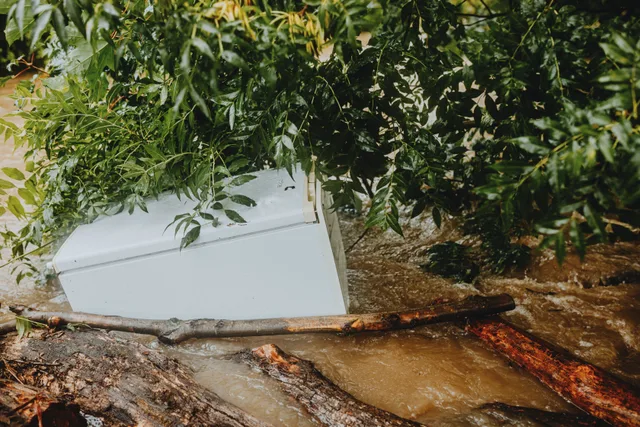
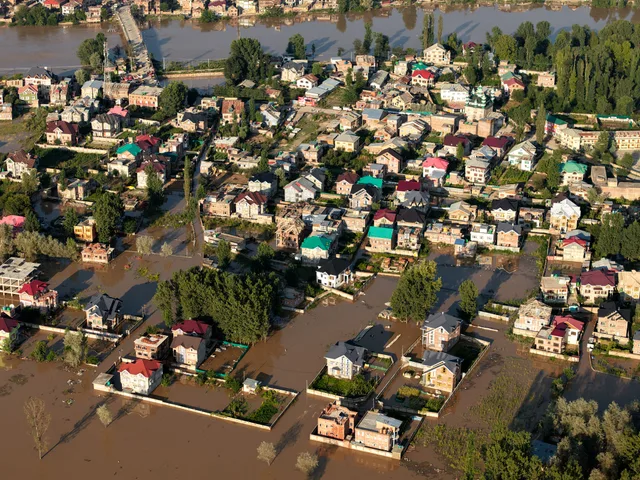
- Storm and flood response. Triggerground-surface water or wind-driven rain. Assume category 3 conditions until findings say otherwise.
- Post-mitigation documentation package. Triggerany completed job. Final readings, photographs and a completion record handed to whoever needs to rely on it.
- Scheduled property maintenance inspection. Triggera property manager wanting moisture checks on a routine cycle. The only line here that produces predictable, non-emergency revenue.
Which of these belong together
Some of these packages are complete jobs and some only exist as parts of one.
How the packages group together
Group
- 1, 2, 3
- Standard residential sequence
- 4, 5, 6
- Contamination path, add as set
- 7, 8, 9
- Drying capabilities, raise job value
- 11, 12
- Distinct business, distinct insurance
- 13-15
- Demand channels, same work
- 16
- Part of every job
- 17
- Build deliberately, plan a week
Role
- 1, 2, 3
- 4, 5, 6
- 7, 8, 9
- 11, 12
- 13-15
- 16
- 17
Numbers one, two and three form the standard residential sequence, and most companies start there. Numbers four, five and six are the contamination path, so add them as a set with training and equipment, never one at a time.
Numbers seven, eight and nine are drying capabilities that raise the value of jobs you already have. Numbers eleven and twelve are a distinct business with distinct insurance.
Numbers thirteen through fifteen are demand channels rather than services: the work is the same, the access and reporting are not. Number sixteen should be part of every job and is listed separately because so many companies treat it as optional. Number seventeen is worth building deliberately, because it is the only line that lets you plan a week.
The full definitions behind these sit in the water restoration services catalog, and the question of how to present them to a customer without promising a total you cannot hold is covered in the restoration services guide.
Before adding any of them
Three checks, in order. Can the crew perform it to a standard you would be comfortable defending in writing? Do the forms exist, including whatever authorization the work needs? Does the drying equipment you own cover it while another job is running?
Before adding any package
Can the crew perform it to a defensible standard?
proceed to forms check
marketing line, not a service
If the answer to any of these is no, the package is a marketing line, not a service. That distinction matters because advertised capability is a claim like any other, and the Federal Trade Commission: Advertising FAQs: A Guide for Small Business guidance is clear that claims have to be supportable.
What the contamination lines really require
Packages four, five, six and fifteen are the ones companies add too early. The U.S. Environmental Protection Agency: Flood Cleanup to Protect Indoor Air and Your Health guidance sets out electrical, chemical, biological and material hazards.
Read it against your own crew and equipment before listing any of them. It covers the conditions under which the work needs qualified help.
Costing the menu
Each package needs its own cost record to show which ones deserve promotion. Start job-level tracking from day one, not a year of undifferentiated receipts.
The Internal Revenue Service: What kind of records should I keep? guidance covers the expectation. The breakdown of the most profitable lines analyzes which lines repay the investment. Whether the local restoration business environment supports a given line is a separate question.
Common questions
How many packages should a small company publish?
Fewer than this list. Publish the ones you deliver weekly, and keep the rest as capabilities you mention when the job calls for them. A long menu on a small company's website reads as a company that does none of it often.
Can a maintenance inspection package be sold to homeowners?
Rarely with any success. It works with property managers and commercial owners because they carry the cost of a failure across many units and already budget for prevention.
Should storm response be a separate package?
Only if you intend to staff it. Storm work arrives in a single week and needs equipment and people you do not have on a normal Tuesday, which is why companies that advertise it without a surge plan end up subcontracting the work at a loss.
What if a job changes category mid-way?
Stop, re-document, and re-authorize. A category change alters the scope, the protective measures and the price, and continuing on the original authorization is how a job becomes a dispute.