Guides
Which skills does new water restoration training need to cover first?
A water restoration staff training checklist by stage: safety first, then measurement, then drying, then judgment, with the records each assessment leaves.
What to take away
- Train in this ordersafety, then measurement, then drying, then judgment. Reversing it produces technicians who place equipment confidently and read it badly.
- Assess against observable competencies with a date and two signatures. A course attended is not a competency held.
- The first week is entirely about safety and property protection. Nobody touches a meter until that is signed off.
- Retrain when something breaks, not on an annual calendar. A callback is a training signal with a cause attached.
- Keep the records. Underwriters, customers and your next hire all depend on them.
Training does not substitute for qualified specialists where the building, the contamination or the structure is in question. Employment obligations vary by state.
Week one: safety and property
No technical work until every item here is demonstrated and signed.
Week One Safety Checklist
- Electrical hazard assessment before entry
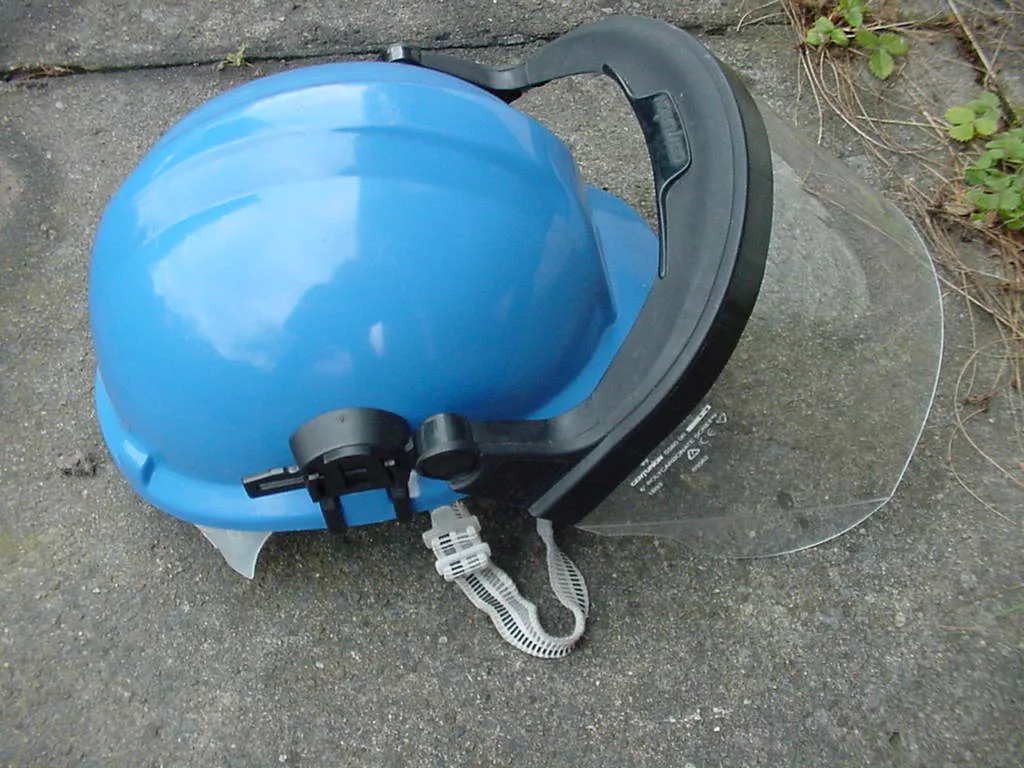
- Protective equipment by water category
- Respiratory protection and fit testing
- Ladders, lifting, confined crawlspaces
- Cords and ground fault protection
- Property protection and pre-existing photos
- Stopping rulecall crew lead
- Electrical hazard assessment on arrivalwhat to check before entering, before plugging in, and before touching anything metal in a wet space.
- Protective equipmentselection by water category, correct fitting, and the limits of each item.
- Respiratory protection arrangements, including any medical evaluation and fit testing your work requires.
- Ladders, lifting, and working in crawlspaces and other confined areas.
- Cords, distribution and ground fault protection.
- Property protectionfloor covering, moving contents, and how to leave a home each night.
- Pre-existing condition photographs taken before anything is touched.
- The stopping rulewhat conditions mean call the crew lead and do not proceed.
Weeks two and three: measurement
This is the stage that decides whether the company gets paid, and it is the one most often rushed.
Pin vs Pinless Meters
Pin meter
- Reading covers
- Between pins
- Depth control
- Set by user
- Metal behind
- Less affected
- Density effect
- Minor
- Best use
- Confirm wet
Pinless meter
- Reading covers
- Surface layer
- Depth control
- Fixed shallow
- Metal behind
- False high
- Density effect
- Strong
- Best use
- Scan wide
- Pin meterscorrect use, depth, and what the reading refers to.
- Pinless meterswhat the reading covers, and why density and anything metallic behind a surface affect it.
- Thermo-hygrometer readings taken at four locationsaffected area, unaffected area, outside, and the dehumidifier outlet.
- Why relative humidity alone is not a drying measure, and how temperature changes it without any water moving.
- Setting a dry standard from unaffected material of the same type in the same building.
- Choosing and physically marking reading points so tomorrow's reading is comparable.
- Recording a reading honestly, including one that is inconvenient.
Assess by having the trainee and the trainer read the same points independently and compare. Divergence is the finding, and it is worth more than a written test.
Weeks four to eight: drying
- What air movers do and what dehumidifiers do, and why one without the other fails.
- Selecting dehumidification for the space and the conditions.
- Placing air movers for circulation across affected surfaces rather than at a puddle.
- Reading a trend across daysmoving, flat or reversing, and what each means.
- Adjusting a setup for a stated reason and recording the adjustment.
- Containment and filtered airwhen they are required and how to build them properly.
- Specialty systems for cavities, hardwood and subfloor assemblies, where you own them.
The underlying explanations sit in the guide to air movers and dehumidifiers, and trade certification covers the same ground formally. Fund the certification and treat it as the floor rather than the finish.
Ongoing: judgment
The last stage cannot be taught in a classroom and has to be deliberate anyway.
- Recognizing a category change, and what to do about it.
- Recognizing conditions that put a job beyond the crew, and referring out without embarrassment.
- Recognizing possible asbestos or lead conditions in older buildings and stopping rather than disturbing them.
- Telling a customer something they do not want to hear.
- Knowing which decisions belong to the crew lead.
Teach this by pairing, by reviewing files together, and by talking through the jobs that went wrong. A crew that never discusses a bad job never learns from one.
Compliance training that is not optional
Two areas apply from the first employee and belong on the same checklist.
Wage, hour and recordkeeping obligations shape how time is recorded and how on-call arrangements work, and the U.S. Department of Labor: New and Small Businesses material is the starting point for a small employer. Supervisors need to understand it, not only the office.
Non-discrimination and harassment obligations apply to hiring, supervision and day-to-day conduct. The U.S. Equal Employment Opportunity Commission: Small Business Resource Center sets out what a small employer should have in place, and a short annual session for supervisors is a reasonable minimum.
The records to keep
For each person: the competency list with dates and two signatures, attendance at each session, certification and renewal dates, protective equipment fit records, and any retraining with the reason for it.
Keep them where they survive a departure. They support an underwriting conversation, answer a customer asking who is in their house, and tell the next crew lead where a technician is.
They also feed pay decisions because a competency ladder with dates makes the progression through pay grades defensible. The area comparisons in the U.S. Bureau of Labor Statistics: Occupational Employment and Wage Statistics Tables are one input into what each rung should pay.
Tying training to the written standards
Train against your own documents rather than a generic curriculum. If your monitoring procedure says readings are taken at marked points and recorded before leaving the property, that is what the assessment checks.
Building those documents is a separate exercise, covered in the service standards guide. The wider ladder, the roles and the rotation design are in the hiring and training guide, and how to select people likely to complete it is in the restoration business hiring piece.
Building the team, step by step
- Write the role as work on the loss, not as a title.
- Set a paid trial task using extraction and drying equipment on a real or realistic loss.
- Check references for reliability first, skill second, since a loss that grows once drying starts is where reliability shows.
- Train alongside a trusted worker through a full cycle, including storm and freeze events if the timing allows.
- Review at the end of the first quarter against the role as written, and adjust the role or the hire.
Common questions
How long should the whole program take?
Weeks for the checklist, months for judgment. Anyone promising a competent independent technician in a fortnight is describing an assistant.
Can training be delivered by the crew lead?
For most of it, yes, and that is usually better than an outside course because it matches your documents and your equipment. Specialist safety topics may need external delivery.
What triggers retraining?
A callback, a complaint with a technical cause, a near miss, a scope reduction traced to documentation, or a new service line. Each of those names the competency to revisit.
Do we need to train the office staff too?
Yes, on the intake procedure, on what not to promise on the phone, and on what may and may not be said in a review response. The office creates as many expectations as the crew does.